
Increasingly, we’re hearing stories of people turning to AI to make sense of their legal problems, evaluate their options, and decide what to do next.
We see it in the news, we hear it at conferences, and attorneys are sharing real examples of prospective clients using AI before ever reaching out to a law firm.
Each new story validates the problem we identified and have been working to solve: the Pre-Intake Problem™. The legal journey is beginning earlier than most firms realize, and AI is becoming part of that journey.
A case that made headlines this spring shows how far that can go. It involves a woman who settled a disability claim with her insurer. Her lawyer negotiated it, she signed the release, the insurer paid, and the case was dismissed in January 2024.
A year later, she asked her lawyer to reopen it. He refused, explaining that a signed release is binding and the case was closed. So she uploaded his letter to ChatGPT and asked whether she was being “gaslighted.”
ChatGPT told her yes.
She went back to court alone, with ChatGPT drafting. More than 30 filings on the closed case, then a new lawsuit with 44 more — including a citation to a court case that doesn’t exist. The court denied all of it, writing that “her second thoughts are not a valid reason to reopen this lawsuit.”
The insurer never paid another dollar.
This spring, that insurer — Nippon Life — sued OpenAI for $10.3 million: $300,000 for the cost of responding to the filings, $10 million in punitive damages, and a claim that ChatGPT practiced law in Illinois without a license. OpenAI’s defense is that ChatGPT is a tool, not an attorney.
The courts will decide the lawsuit. But the important part is what she did when her lawyer said no: she took matters into her own hands and represented herself, with ChatGPT.
And she’s not alone.
A recent Above the Law column shared a story of criminal lawyers who described clients going to AI about their legal problems.. they’re coming in with ideas about their cases they built with AI, they’re confident, and they’re frequently wrong. His advice to fellow lawyers was to treat it as a chance to build trust.
I’ve spent 15 years getting personal injury firms found online, then watched as the ground shifted beneath us. The firms I talk to are starting to see their own versions of this – people arriving at intake with theories about their case. One plaintiff-side lawyer, quoted by Axios this February, called it “the WebMD effect on steroids.”
These are hurt people trying to make sense of what happened to them, and they’re typing those questions into ChatGPT at 2am.
Johns Hopkins researchers surveyed more than 2,000 Americans this spring about their views on AI. One of the findings is that the clear majority want legal restrictions on AI. In fact, 76% said they want a human involved in legal proceedings.
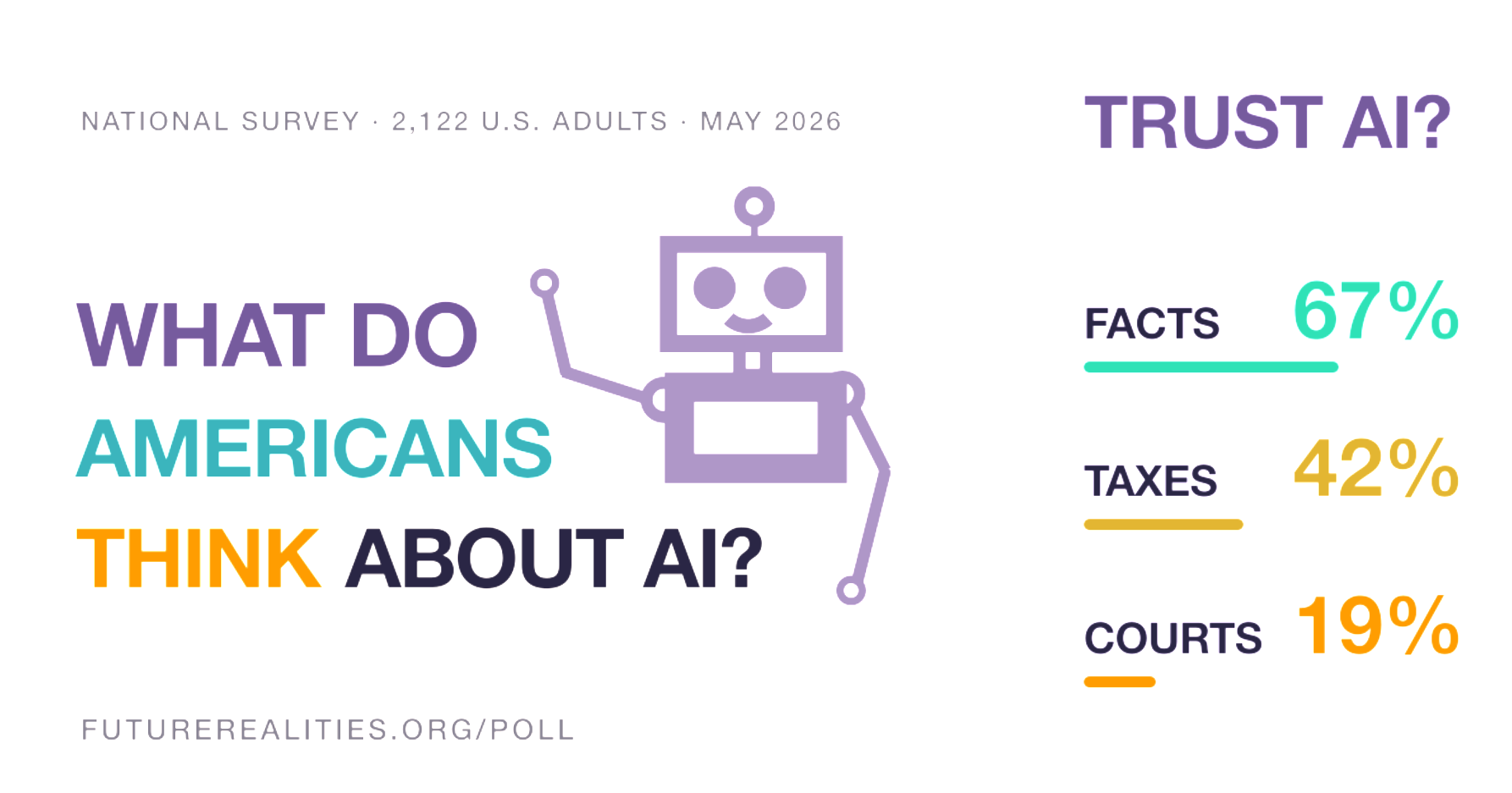
People still want a lawyer.
What’s changed is everything that happens before they pick one. Personal injury already converts about 7% of leads to consultations (according to MyCase 2024 Benchmark Report, Part 2: Getting Clients), the lowest rate in legal, and that was measured before any of this started.
We believe that if we do nothing, that number will drop further. When injured people work through their case with AI first, their minds are made up before a firm ever hears from them.
The future of personal injury law is being decided before intake.
What happens in that window, from injury to intake, is what we call The Pre-Intake Problem™ – and no one is serving it.
If you run a personal injury firm and want to know what AI is telling injured people in your market – who it recommends, who it leaves out, and what that means for the cases you sign – we’ll walk you through a Pre-Intake Revenue discussion. Thirty minutes about your market and your revenue, no pitch. Request one at lawshift.ai.