
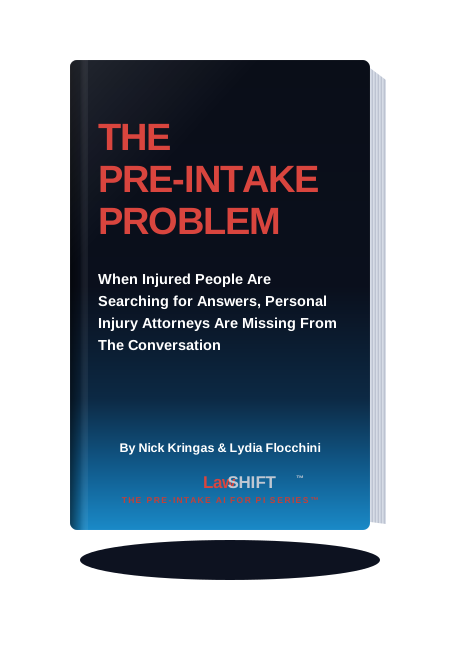

When injured people need legal counsel most, personal injury attorneys are missing from the conversation. Here’s why, and what comes next.
By Nick Kringas & Lydia Flocchini · Free · About 30 minutes
They’re right to feel it. Most are wrong about what it is.
This mini-book names three things.
Private equity, national brands, and AI arrived in the same window. Each one entered the market on its own timeline and for its own reasons. But they all landed on the same structural weakness: 30 years of optimizing for visibility instead of differentiation.
The squeeze attorneys feel right now is the predictable result of a playbook that rewarded shouting louder when everyone else was already at full volume.
All three landed on the same fault line — 30 years optimizing for visibility, not differentiation.
AI is fundamentally different technology, not a new platform. Search engines rank results. AI selects them. Most PI firms invested years and millions in being ranked, and none of that work translates to being selected.
Our research at LawShift measured the correlation between SEO authority and AI visibility at 0.076. Firms that did everything right for the last 15 years have an AI visibility score of zero.
The pre-intake window is the period between the moment someone is injured and the moment they first speak with an attorney. Every personal injury case has one. For most of the history of PI law, it was a black hole that nobody could do anything about. That stopped being true.
Injured people now spend the pre-intake window talking to AI. They get settlement advice, case valuations, and coverage analyses. They form opinions about what their case is worth, what they’re entitled to, and whether they even need an attorney. None of that guidance comes from someone with a professional obligation to their outcome.
By the time they call a law firm, the most consequential decisions of their case have often already been made.
Most firms responding to AI right now are bolting a new tactic onto the same marketing stack that produced a 7% conversion rate. They add a schema plug-in, an AI-optimized blog post, or they hire an AEO vendor who turns out to be an SEO vendor with a new logo on the invoice. That’s the same peanut butter marketing approach, repackaged for a platform that rewards the exact opposite.
The firms that will lead the next era of personal injury law are reorienting around the injured person at the moment they need guidance. The pre-intake window stops being dead air before the case begins and becomes the place where trust is established, where new cases are won or lost, and where mission-driven attorneys can show up for the people they went to law school to serve.
Someone who became a lawyer because of a person they knew who got hurt or because they watched what happens when people without resources try to navigate a system designed for people with resources.
A firm doing $2M to $10M in revenue, with a reputation built through years of community work — and a growing gap between the practice it set out to be and the one it’s running.
Anyone trying to read where AI is restructuring services markets. The pattern in personal injury law is showing up everywhere AI is reaching.

For 15 years, he built SEO visibility for personal injury law firms and generated over $400 million in client outcomes. When AI began reshaping how injured people find counsel, he partnered with Lydia Flocchini to solve the problem his own data revealed: law firms heavy on SEO have near-zero AI visibility. Together, they're helping personal injury attorneys survive and win as the market landscape shifts.
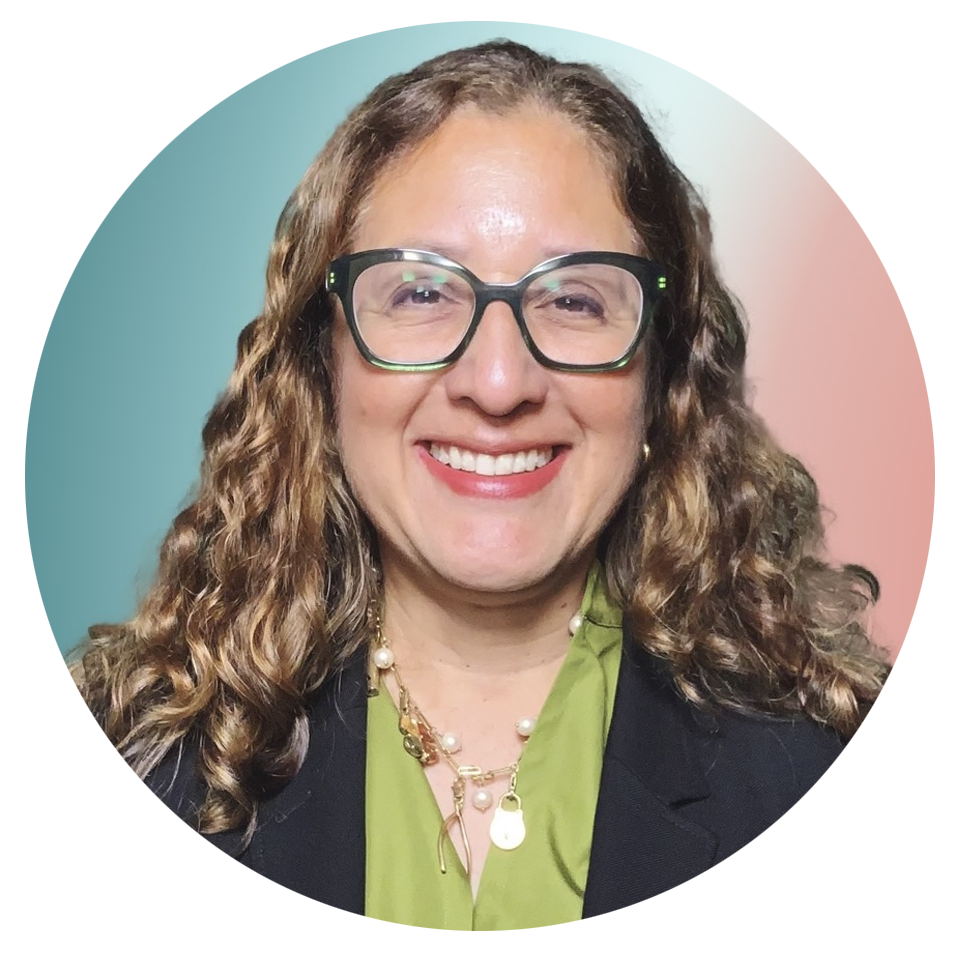
A lawyer by training, she made an early bet that legal technology — not legal practice — was where she could transform how lawyers work. Over 26 years, she's helped bring some of legal tech's most important categories to market: legal research at Thomson Reuters, legal analytics at Lex Machina, and others. Now, with Nick Kringas, she's solving the Pre-Intake Problem — helping law firms show up for injured people when AI is reshaping how clients find trusted counsel.
They met inside the Category Design Academy — different cohorts, opposite coasts, one industry. They recognized something in each other: shared language, shared experience, shared conviction about what the legal industry actually needs.
As legal category designers, they reject the premise of what everyone else believes about personal injury law. They believe the attorneys who define the future aren’t the ones competing inside existing markets — they’re the ones bold enough to build new categories around problems nobody else has properly named yet, and injured-first.
They’re also the hosts of the Legal Pirates podcast, where they jam on category design for the legal industry — sharing frameworks and real-time thinking about how legal professionals can escape the sea of sameness.
The pre-intake window is no longer a black hole. AI is already showing up for injured people in that space. The question isn’t whether to be part of the conversation. It’s whether the firms that should be in it know it’s happening.